The fundamentals of successful marketing and what makes consumers receptive to a brand’s message has never changed. People respond to advertising that is engaging and relevant, whether they see it online or offline, in their home or on the move. But many marketers are failing to apply the basics when it comes to their own brand’s advertising.
Exclusive research reveals that many consumers actually want more a closer relationship with brands and want to speak to brands more often, so those marketers who nail the advertising basics stand to gain more loyal customers.
Almost three in 10 (29 %) of respondents feel their relationship with brands has changed in the past five years, with a quarter (25 %) wanting to speak to brands more often, reveals research carried out for Marketing Week by the OnePulse platform.
The platform, which enables brands to question people on-demand via their mobile, asked 1,000 consumers aged 16-64 what makes them react to advertising in a positive way.
In the research, conducted on February 7 2016, respondents selected all the options that applied to them.
As well as confirming that many consumers are happy to hear from brands more often, the research confirmed that the basics of successful advertising as three in five (57 %) say they are responsive to ads that were relevant.
Traditional advertising remains the most effective, according to the research. When asked to rank which advertising they like the best, TV ads comes out on top, followed by online, press advertising, outdoor ads and then ads sent to their email account.
Understand how to help consumers
John Bernard, global marketing director of Firefox OS and a Chartered Institute of Marketing board member, says it is important brands know how they can help consumers. “We did a lot of marketing outside the UK in emerging markets to promote Firefox OS because we knew people were in the market for smartphones,” he says. “This meant we could be creative and appealing, and consumers would be receptive.”
Bernard is a fan of direct mail as a form of advertising but says marketers must become smarter at targeting and not annoy consumers when they have already made a decision.
“As a consumer I get various emails from broadband providers and charities but once I have made a purchase I don’t want to be bombarded with offers from similar organisations,” he says. “Customers want brands to know about the decisions they have already made.”
Find an emotional connection
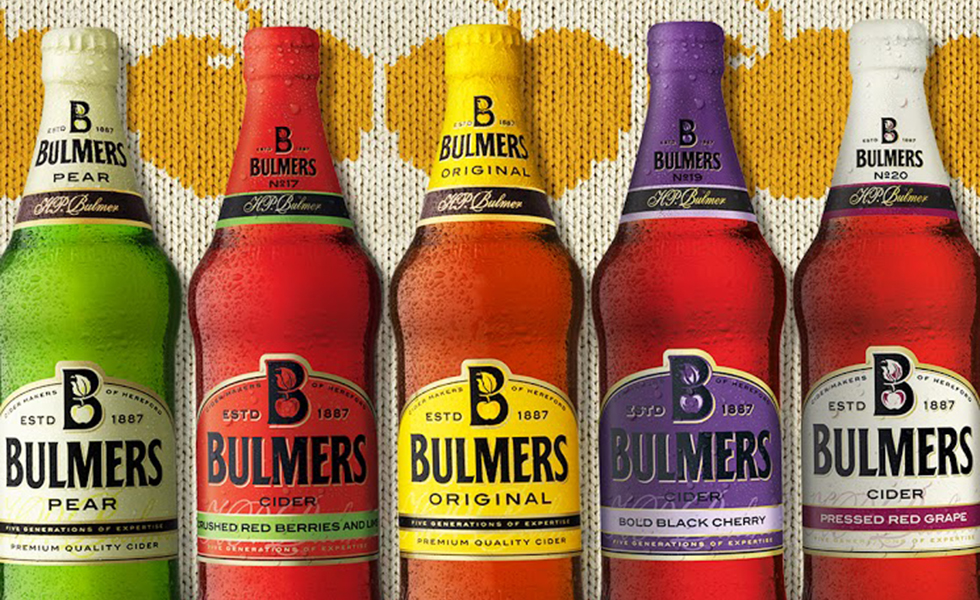
Richard Ingram, brand proposition SABMiller whose brands include Bulmers Original cider and premium lager Peroni Nastro Azzurro, says consumers want advertisers to apply insight to ensure marketing campaigns meet functional and emotional needs.
“If you look at Peroni Nastro Azzurro it is not about creating a beer and then building something based on Italian provenance, it is about understanding that consumers relate to the flair and style of Italians,” says Ingram. “You need to build your marketing team around a good creative idea and not around specific channels because this can mean your marketing strategy becomes fragmented.”
Market research plays a crucial role in helping brands understand how existing and potential customers want to be marketed and advertised to.
Ensure your messaging is consistent
Jane Frost, chief executive of the Market Research Society, says advertisers need a theme running through their online and offline communication because consumers struggle to relate to brands they view as inconsistent in their messaging.
“It is important to combine methodologies to take into account consumers’ emotions and attitudes at particular times, and use techniques such as eye- and neuroscience tracking,” says Frost. “Marketers must not believe all the numbers relating to social and digital media and be able to measure accurately the effectiveness of the social data they have.”
New research methods will help with engagement
She adds that while traditional telephone surveys are struggling there are new areas of research that will help brands connect with their customers in 2016. These include virtual reality research, which puts consumers into situations where they respond in the way they are likely to in real life; and gamification research, which can boost participant engagement.
Another growth area for brands is video advertising which, according to researcher Millward Brown, is being well received by consumers.
Its AdReaction study reveals that 41 % of global consumers are receptive to video ads that target their interests, but only 25 % are open to video ads based on their browsing history.
“There is a difference between what consumers want from marketing and advertising, and what they actually need,” says Millward Brown’s sales and marketing director Amanda Phillips. “Audiences require marketing to provide signposts – heuristics, or mental shortcuts that help them to make fast and informed purchase decisions. What they want from brands, though, is entertainment, and marketers that can produce and deliver relevant content will achieve a level of emotional engagement that pays back.”
The AdReaction study also reveals the importance of context to consumers and the negativity there can be towards receiving video advertising on a smartphone. People are also more likely to pay attention to online video advertising that offers a reward.
Strong content will stop consumers skipping ads, according to the study, which reveals the top five reasons someone will watch. These are:
1) An ad is funny
2) It is for a category the recipient is interested in
3) There is a reward, such as coupon or points
4) The ad is for a brand the consumer is interested in
5) Something noteworthy happens in the first few seconds
Scott Knox, managing director of the Marketing Agencies Association (MAA), believes that ultimately consumers want brands to work harder to make personal offline and online communication, and any transactions, as seamless as possible.
“This has been highlighted time and again in the MAA’s work which shows how a consistent and personalised shopping experience boosts sales and brand perceptions,” says Knox. “It is important brands save people time and money, which means being smarter and more connected across channels.”
There is certainly an appetite among consumers to engage with brands that offer them experiences from marketing and advertising activity online or offline and do not just talk about products. Of course, relevance, timing and an understanding of an individual’s preferred channels remain crucial to getting the positive response brands need.
from Marketing Week http://ift.tt/21j62dJ
via Steve Kaplan Marketing
from WordPress http://ift.tt/1Oop0GH

No comments:
Post a Comment