
Other media look enviously at the success of famous ads such as Cadbury’s Gorilla ad featuring a gorilla drumming along to a Phil Collins’ hit or Compare The Market’s cuddly meerkats.
And TV advertising is in a healthy state with UK revenues totalling £5.3bn in 2015, up 7.4% on the previous 12 months, according to Thinkbox.
Using data from research firm Nielsen, the growth has been fuelled by more advertising by online companies. In fact, Google, Facebook and Netflix now spend more than 60% of their marketing budgets on TV advertising.
Lindsey Clay, CEO at commercial TV marketing body Thinkbox points out that the power of TV to generate short-term sales as well as long-term brand building means there are opportunities to integrate campaigns with other media such as direct mail.
“Knowing an emotional brand campaign has launched on TV and that the nation will know about it and be talking about it means the climate is perfect for a well-timed piece of DM to arrive and carry the story on,” says Clay.
“Done well, it will be a welcome guest. Perhaps it provides additional information about the brand and what it can do for you; or it reassures people that that positive feeling they have towards the brand is the right way to feel, because that brand delivers what they want.”
More brands will invest in TV-formatted content marketing over the next three years, according to the Cisco Visual Networking Index. It predicts that consumer VoD traffic will double by 2019, and that brands will make more use of YouTube to convey their messaging.
The quality of the video will need to be good, however, because it is estimated that within three years it will take an individual more than five million years to watch the amount of video that will cross global IP networks each month.
TV “sets the tone” for other communications
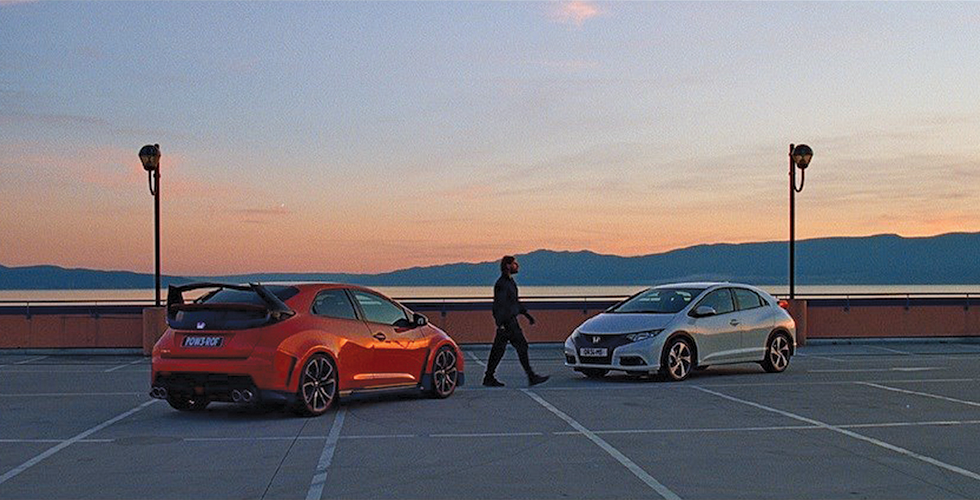
Jemma Jones marketing communications department manager at car, bike and power tools brand Honda, says TV sets the tone for all its communications online and offline.
It is not alone in its industry, according to Nielsen the motoring sector increased TV spend by 18% to £318m in 2015.
Jones believes the marketing industry is at an interesting juncture when it comes to film content as films become more commoditised with the phenomenal growth in content marketing.
Yet with virtual reality tipped to break through into the mainstream in 2016 she says there are opportunities for rich, immersive, high quality content as an extension to more traditional TV spots.
Brands need to invest in “high end experiences”
She says the challenge for any brand is to retain the high quality standards set by a TV commercial and not create commoditised communications just for the sake of feeding new channels.
“At Honda we try to consider the overall consumer experience being defined by our communications. Regardless of channel, the goal is to ensure an experience reflects our brand which means the story of the television commercial is extended in a way which is relevant for each channel,” says Jones.
Viktoria Degtar, EMEA head of sales at Bloomberg TV says brands targeting a business market can also learn from the success it has had with producing reliable, data-led information and content that is entertaining.
“Of course, the pace and nature of the content differs depending on context, but the premise of producing high-quality engaging, informative content with strong storytelling arcs remain consistent,” she says.
In the past six months Bloomberg TV has produced informative, high-quality branded content ranging from alternative energy solutions in Israel to financial risk analysis in Zurich. It has also reported on the values behind one of Italy’s most famous families – the Lamborghinis.
Advertisers are being urged to invest in high-end experiences when it comes to digital campaigns with the IAB’s acting marketing director Alex Kozloff convinced brands should follow TV’s lead.
She points out how the IAB’s Real Living study reveals that devices are now competing equally with television in the home and attention between screens is being fragmented. The study uncovers that only 50% of UK online adults say the TV set is the focal point of their living room, whilst 70% ordinarily use a connected device whilst watching TV. This rises to 87% for 16-34 year olds.
“With consumer attention so equally divided it seems logical that an advertiser should invest at least the same care and budget into digital strategy and creative as it spends on its TV assets,” says Kozloff. “Though this doesn’t happen enough, the good news is this is starting to change. This year’s winners from the IAB’s Creative Showcase awards include some great quality campaigns. One of my personal favourites was Greenpeace’s Cats Save Tigers campaign. It might not have featured Helen Mirren or Ryan Reynolds but it did have a veritable clowder of cat celebs to grab the attention of the digital consumer.”
OOH takes inspiration from TV
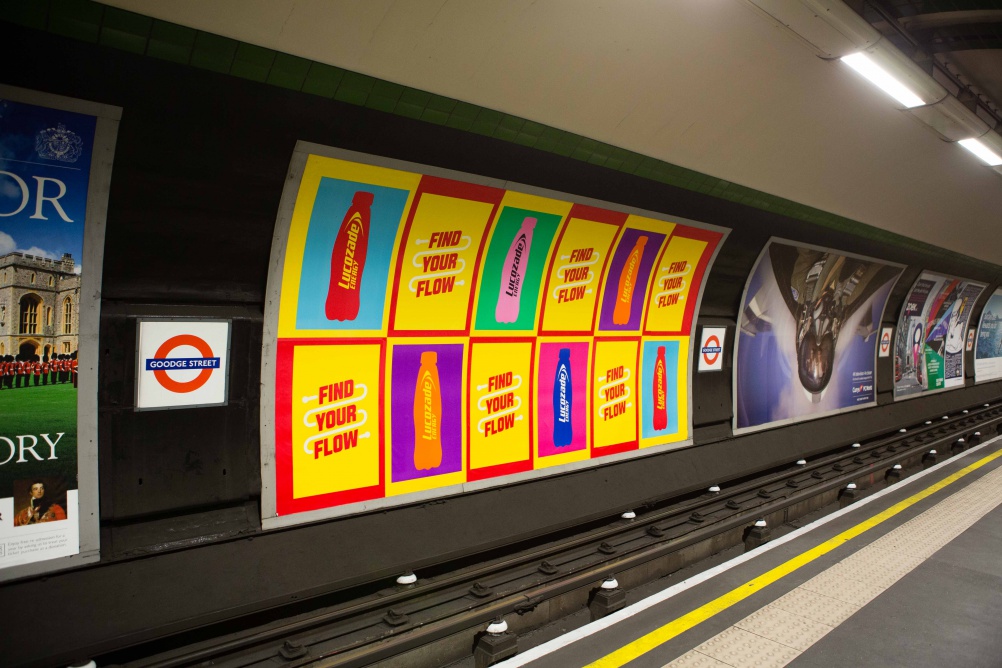
The Digital Out of Home market is also picking up tips and tricks from TV. Tim Lumb, insight and effectiveness director at trade body Outsmart, says the use of high quality production values and screens plus new lighting techniques have been borrowed from the small screen to boost storytelling and engagement.
“Brands need to create a harmonious campaign across all channels and devices,” he says. “Great creative will always cut through, whether the OOH format is classic or digital. However, digital allows advertisers to produce ads which can be targeted, with copy being instantly changed through video or animation.”
Television has enormous scale and reach, but its ability to produce entertaining and informative commercials and content is something advertisers investing in other media can and should recreate.
from Marketing Week http://ift.tt/1QvDXeD
via Steve Kaplan Marketing
from WordPress http://ift.tt/1U563zG

No comments:
Post a Comment